Written by India McNeill, MA International Heritage Management student, University of Birmingham
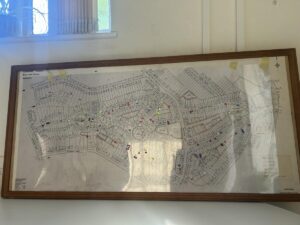
Since February, myself and another student, Fay Carpenter, have been carrying out historical research for Moor Pool Heritage Trust as part of its ‘Everyday Working Lives’ project. This project is the focal point of the Moor Pool Heritage Festival (part of Heritage Open Days and Birmingham Heritage Week) and seeks to explore the professions of past Moor Pool residents in the early 20th century. Researching the 1911 and 1921 census, the 1939 register, and old newspapers, we were able to plot professions of residents to a map of Moor Pool.
Estate map
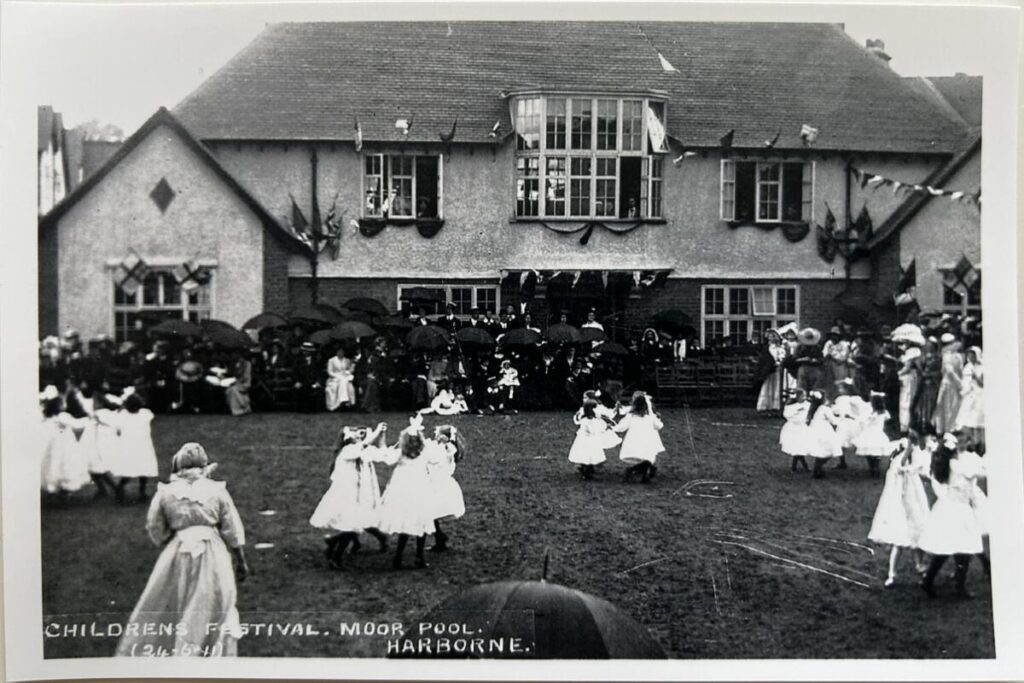
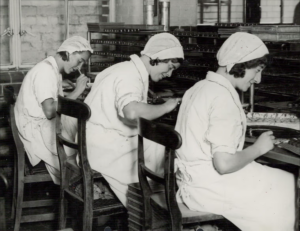
Established in 1907 by John Sutton Nettlefold, Moor Pool was an affordable housing estate for members of all classes and professions. From teachers to pianists, there were a wide range of professions amongst residents. Many residents worked in factories for companies such as Cadbury and Austin Motors. Jobs within these factories ranged from producing products to administration. For example, the sisters Maggie and Louisa Swatkins of 7 Wentworth Gate both worked as Chocolate Makers at Cadbury’s in 1921. Many of the women, especially from the 1911 census, did domestic work at home, though as time progressed and women gained more independence, more women worked outside the home.
Cadbury's workers in 1932
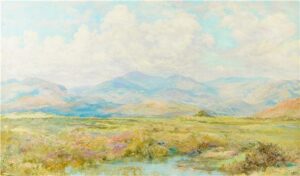
One notable resident of Moor Pool that we took particular interest in was the artist Edward Steel Harper. Edward studied art at Birmingham School of Art and later became a known artist, specialising in landscapes painted in oil. His paintings combined elements of late Pre-Raphaelitism with more modern influences, creating a distinctive artistic style. Much of his work is on display in public galleries, including the Birmingham Museum & Art Gallery. In 1921 he worked as a teacher of drawing and painting at Wolverhampton Grammar School, later becoming the school’s Art Master. He worked there for many years until his retirement in 1942. Steel Harper lived in 55 Moor Pool Avenue with his wife Estelle-Marie, who was also an artist, until his death in 1951.
Edward Steel Harper - The Isle of Skye (1930)
Our time at Moor Pool has been incredibly rewarding, and we have enjoyed uncovering the stories of former residents and the many different ways they contributed to community life. We are looking forward to the Moor Pool Heritage Festival on Sunday 20th September and seeing how this research helps connect people with Moor Pool’s past, ensuring that the stories of its residents continue to be remembered and shared.