
Written by Barbara Nomikos, Moor Pool Hall Manager and running enthusiast!
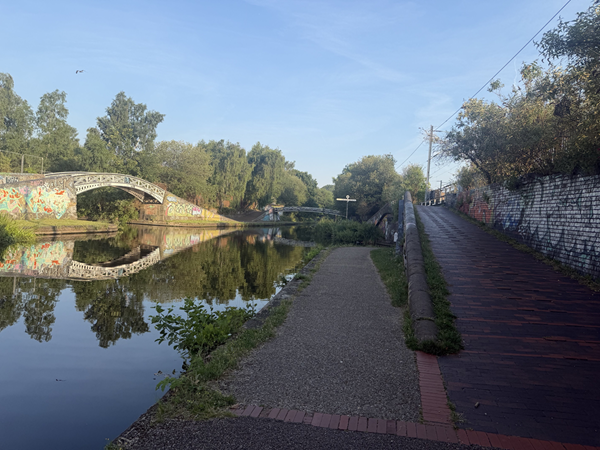
As part of this year’s Moor Pool 5k Summer Challenge, I decided to run through history, combining a long run with research carried out for the Everyday Working Lives project. The 23km circular route followed Birmingham’s canals into the city centre, before heading to Moor Pool via the former Harborne Branch Railway, continued by road to Bournville Green and finished by rejoining the canal towards Kings Norton before returning to Bournville Station. The route passes many of the workplaces that employed Moor Pool residents during the first half of the twentieth century. Many Moor Pool residents worked in these canal-side industries that the route follows but along the way also passes schools, shops, offices and other workplaces that reflect the community’s diverse working lives.
I started early, carrying water and fuel, and wearing a wet scarf on my head as it was during the June heatwave. The route begins at Bournville Station, next to the home of Cadbury chocolate. Many Moor Pool residents worked at the famous chocolate factory, which shared a similar ethos to Moor Pool itself, with healthy surroundings and good housing. Employees working at the factory ranged from skilled workers to teenagers, such as sixteen-year-old William Chalk of Moor Pool Avenue, who worked as a chocolate moulder.
Starting from the entrance to the station and canal at Mary Vale Road, the route follows the canal towards Selly Oak and passes the former industrial area where many residents found employment. I passed through Selly Oak at the former site of Elliott’s Metal Company, historic brass and copper manufacturers, who employed sisters Elise and Kathleen Dudman of 39 Margaret Grove, while other residents worked for H.W. Ward, makers of lathes on Dale Road.
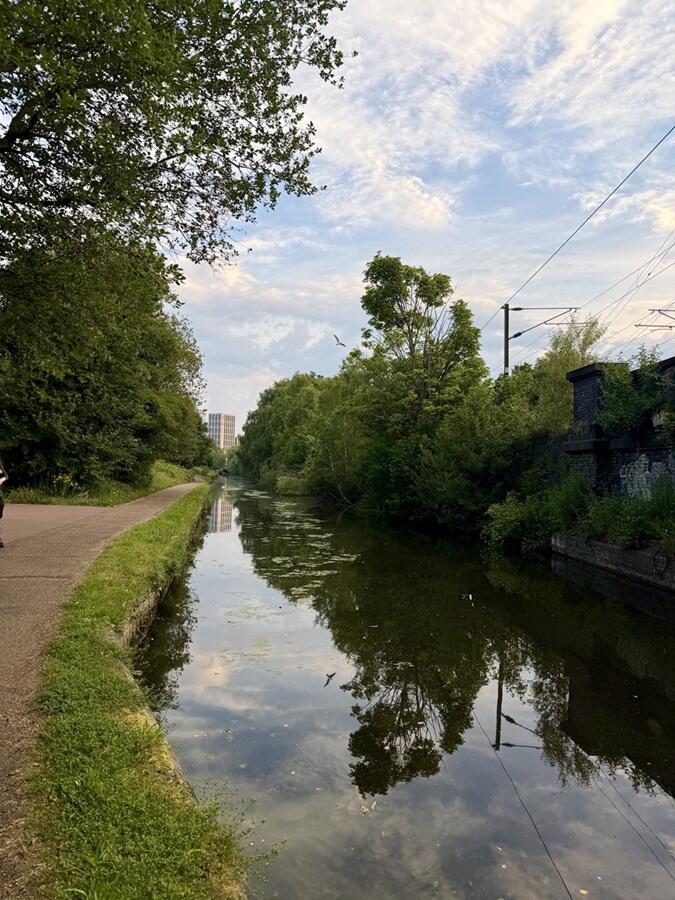
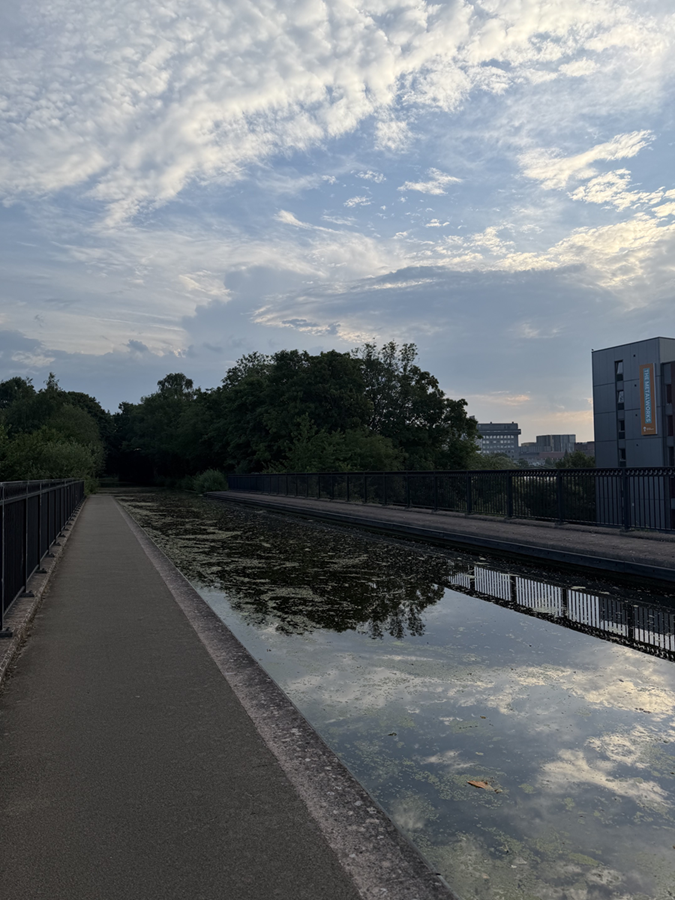
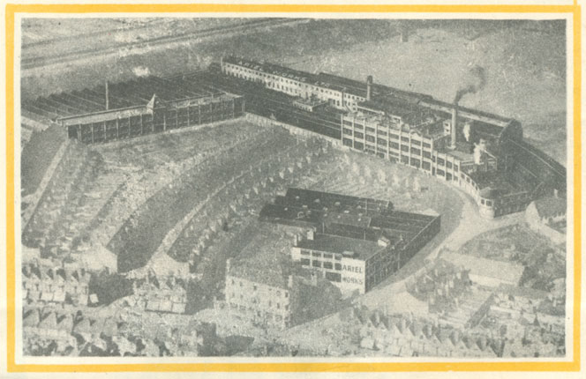
After passing the site of the former Battery Park, I reached the Ariel Aqueduct. The aqueduct was named after Ariel Works of Components Ltd, the well-known cycle and motorcycle manufacturer, where Harold Purchas of 64 Margaret Grove worked as a mechanical engineer.

Continuing towards the University and Edgbaston, the route passes places of education and research. Bernard Callaghan of 32 Moor Pool Avenue worked at the University as a laboratory assistant, while several residents taught in nearby schools. Among them was Mary Frances Adams of 27 The Circle, headmistress of Edgbaston High School for Girls.
After passing Five Ways and reaching the City Centre, I passed the Mailbox. The present building stands on the site of the former Royal Mail sorting office which itself had replaced the Midland Railway goods depot and canal wharves. In the 1920’s this was an important transport hub where goods from canal-side industries, including those employing Moor Pool residents, were transferred between boats and the railway, before being transported across Britain and beyond. Postal work was also represented among Moor Pool residents, including postman Frederick Tranter of 24 Margaret Grove, whose workplace was Birmingham’s Head Post Office in Victoria Square.
Next I reached Gas Street Basin and the Broad Street Tunnel. The historic brick barrier known as the Worcester Bar separates the Worcester & Birmingham canal from the Birmingham Canal Navigations. This area and Broad Street were once a major employment centre for Moor Pool residents. Companies connected with the construction of the Estate, including Parker, Winder & Achurch and Nettlefolds employed many Moor Pool residents. Broad Street was also home to businesses where residents worked including Ethel Kelsey of 84 Park Hill Road, a confectioner at Kunzle’s, as well as Marion Dickinson of 12 The Circle, manageress of Patisson’s Restaurant, and John Day of 153 Ravenhurst Road who worked as a pattern maker for Messenger & Sons lamp manufacturers.
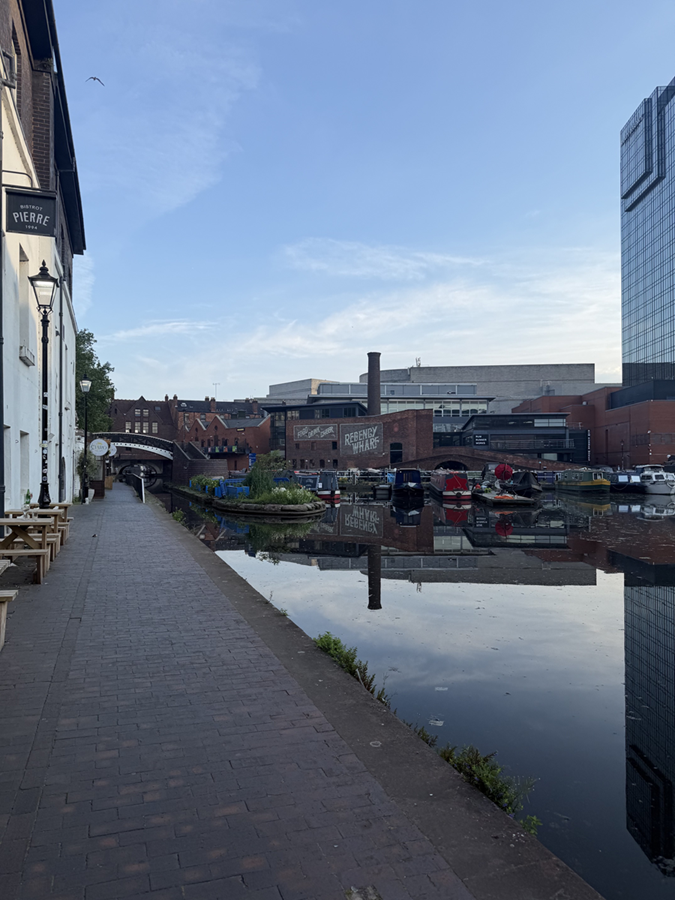
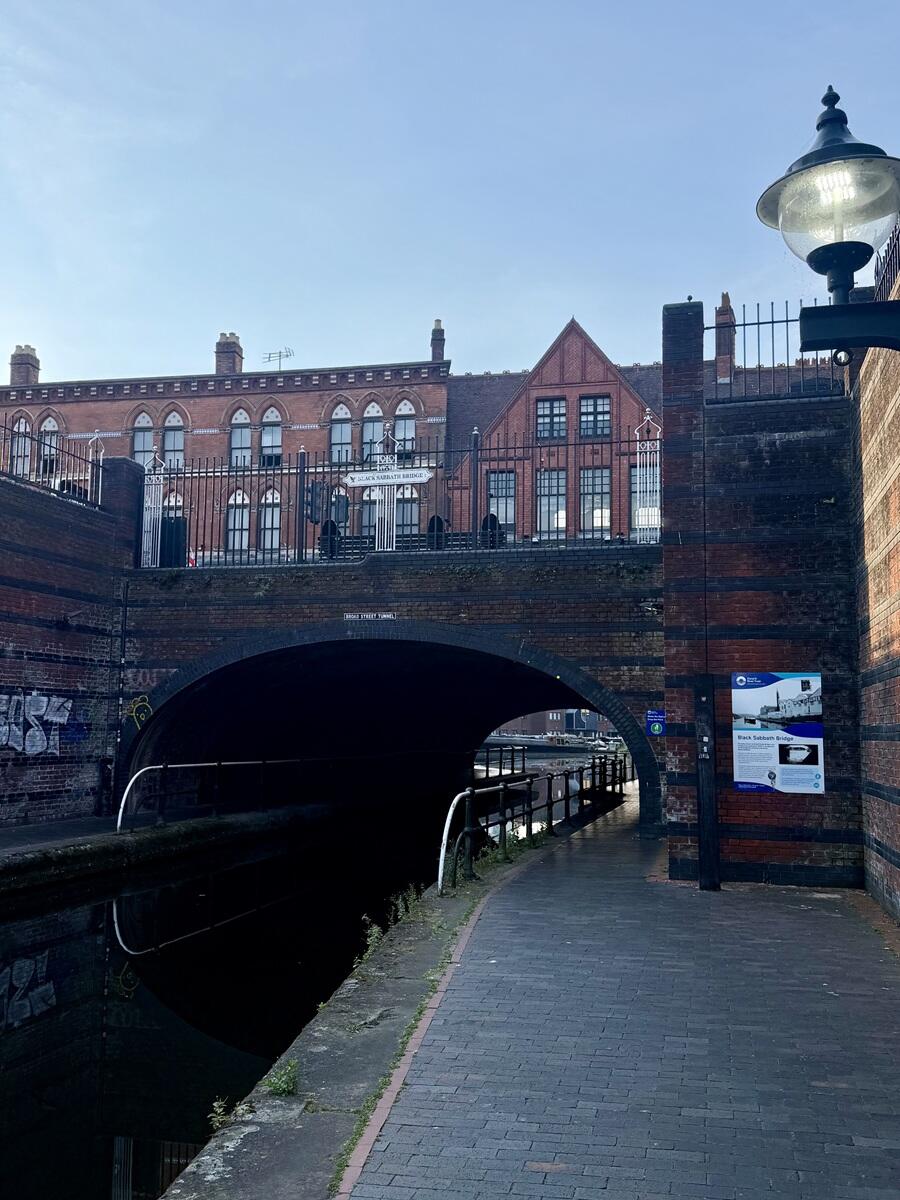
At Old Turn Junction, Birmingham Canal Navigations meets the Birmingham and Fazeley Canal. A right turn would have taken me along the Birmingham and Fazeley canal towards the Jewellery Quarter, where many Moor Pool residents worked in small workshops producing jewellery, medals and metal goods. My route, however, continued along Thomas Telford’s Main Line.
After passing the Roundhouse, I reached the Ladywood Junction and then the entrance to Icknield Port Loop, which once spanned the factories of Bellis & Morcom. The company manufactured steam engines and compressors that were exported worldwide. The company employed a number of Moor Pool residents across its three factories in this area, including assembler William Hipkins of 38 Moor Pool Avenue and engine designer Henry Pagett of 9 The Circle. The company occupied a number of sites including at Icknield Square and Rotton Park Road.
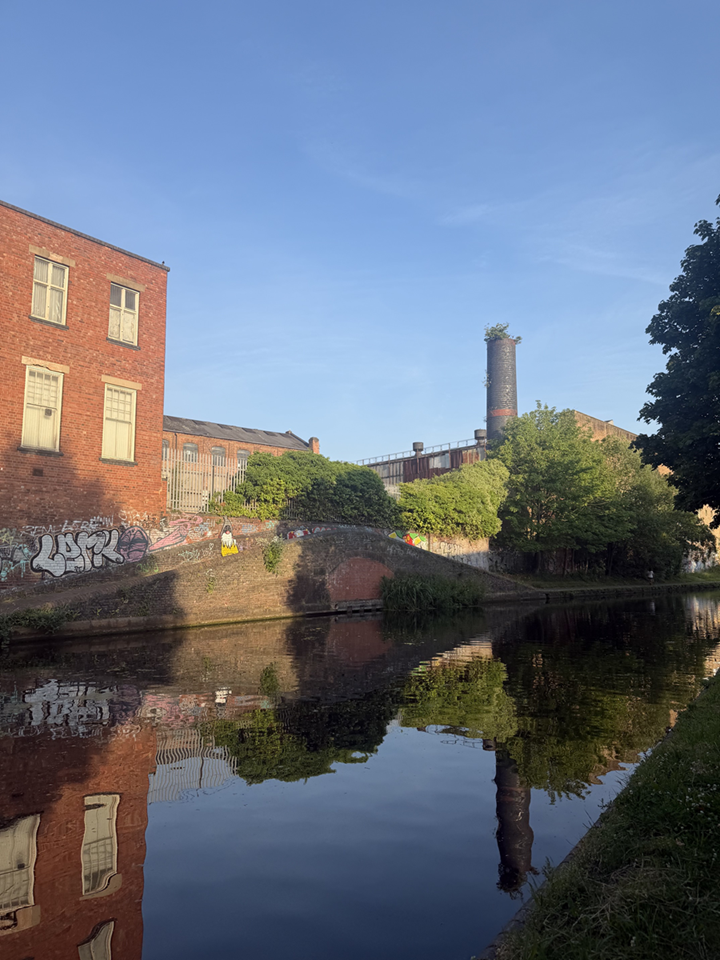
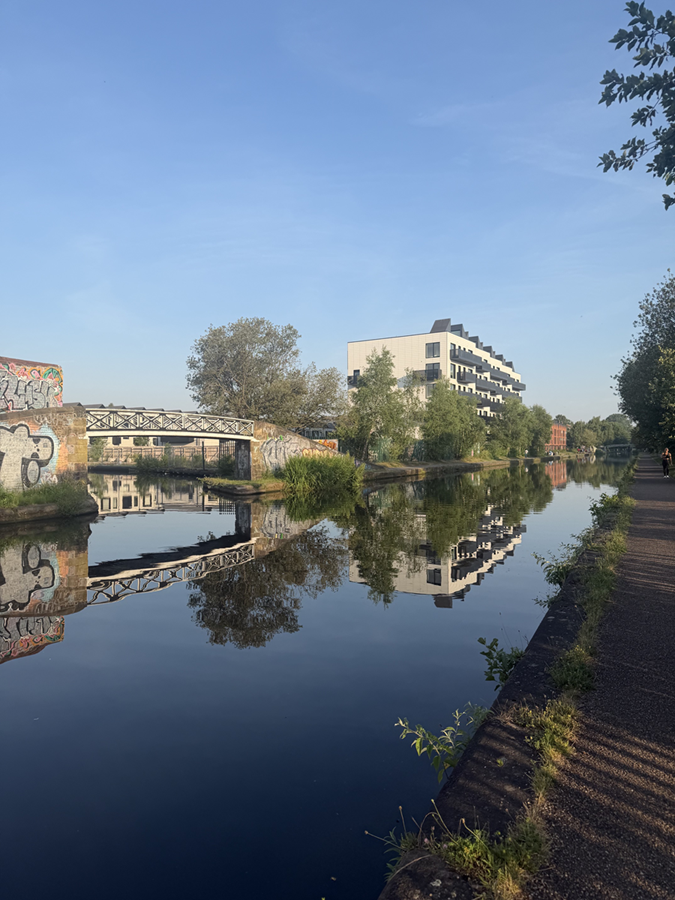
This stretch of canal following Thomas Telford’s Birmingham Mainline canal was built in 1827, while retaining James Brindley’s earlier winding canal as a series of ‘loops’ serving local industries. The area once contained a dense concentration of canal-side industries that relied on the waterways to transport raw materials and finished goods. Continuing further along the canal I approached the Rotton Park Junction where the Soho Loop to the right leads towards the E G Wrigley engineering works where residents worked, as well as former works of Philip Excelsior, makers of high-quality brass bedsteads, where residents such as James Muston of 22 North Gate worked as a shipping clerk. The other side of the canal at the junction is the other end of the Icknield Port Loop, which also leads to the boat yard where canal boat builder Joseph Lovekin of 100 Ravenhurst Road worked.
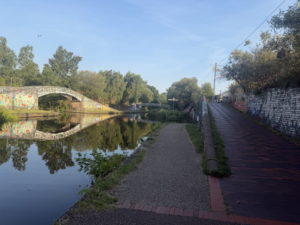
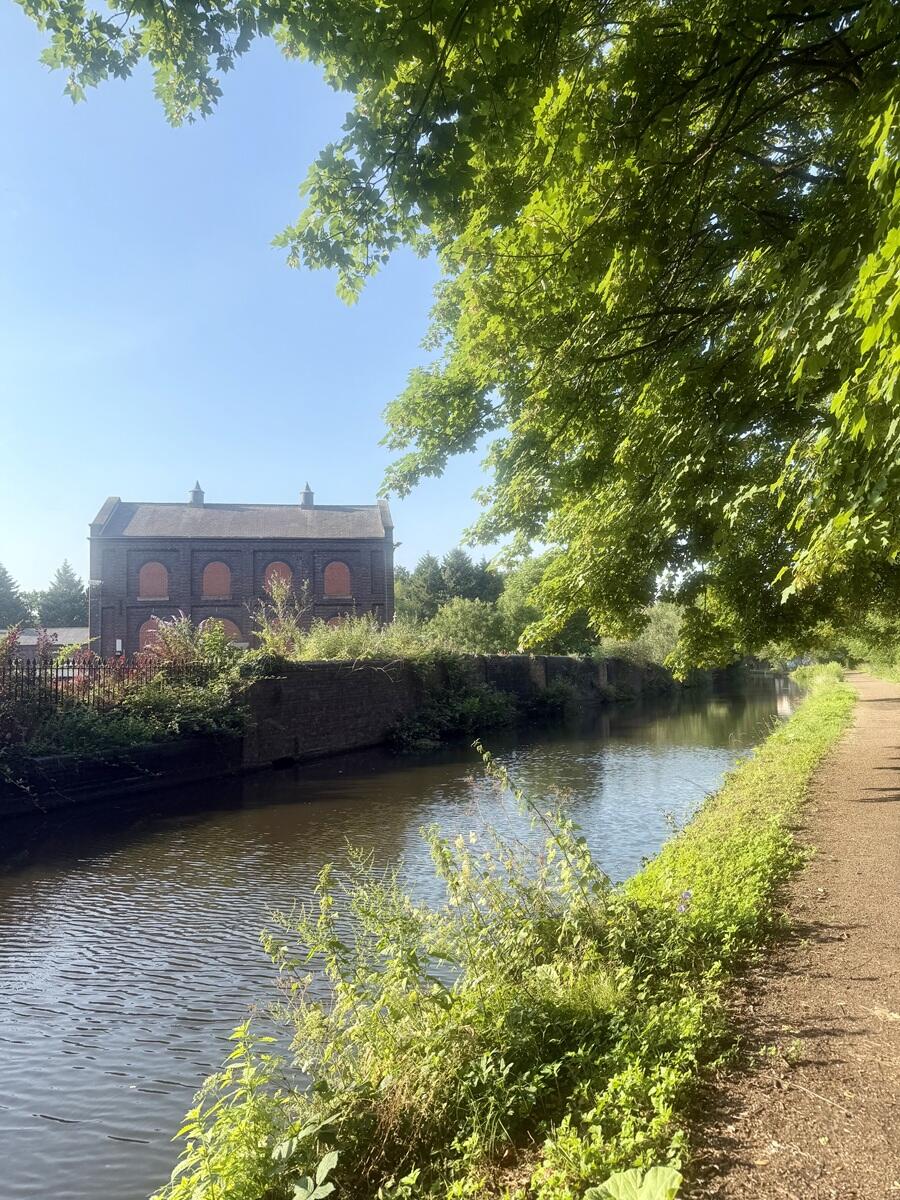
Crossing the bridge at Rotton Park Junction onto the other side of the canal and continuing on, still visible in the middle of the canal is the remains of Harborne Branch brick bridge pier. This is where I came off the canal to follow the route that the railway once took to transport Moor Pool’s residents between Harborne and their workplaces in Birmingham city centre, before passenger services closed in 1934.
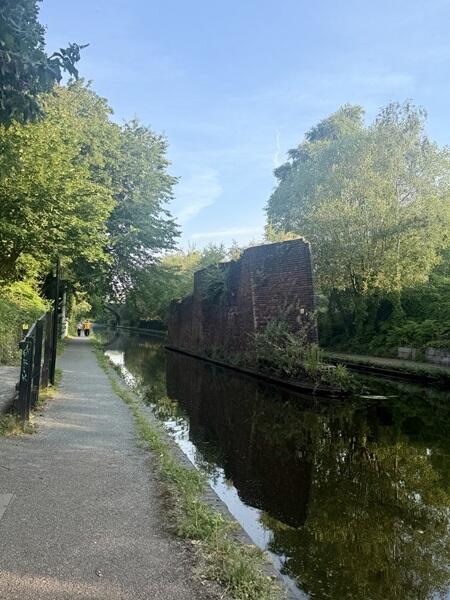
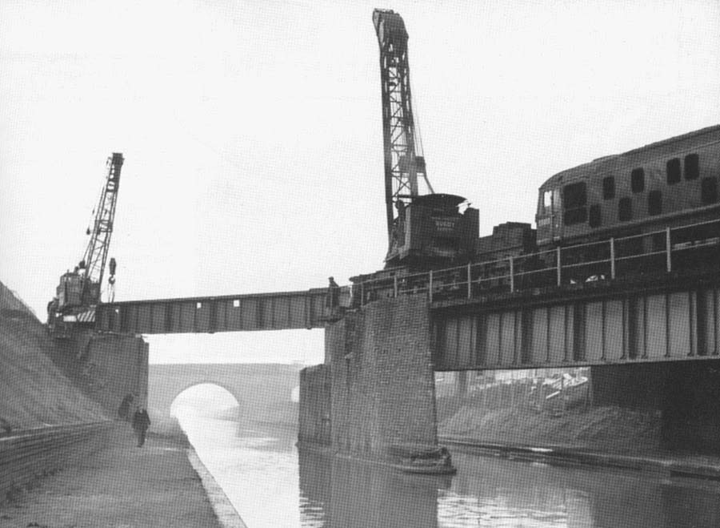
The path through Summerfield Park brought me to the disused railway and former rail route that is now the Harborne Walkway. It is a public trail route that goes all the way to Harborne where residents had direct access to the dedicated platform for their commute to the city. At its peak, services were so frequent some commuters even travelled home for lunch.
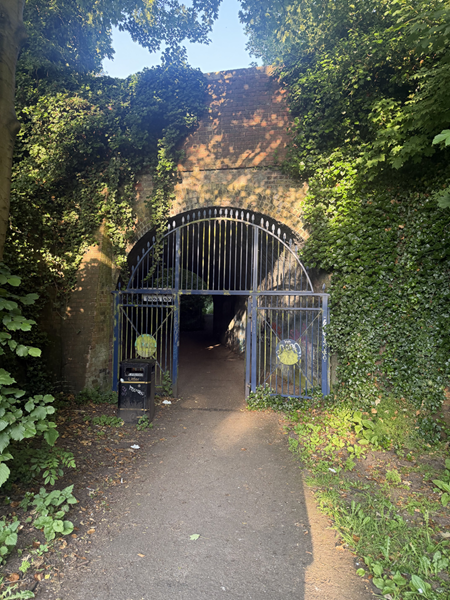
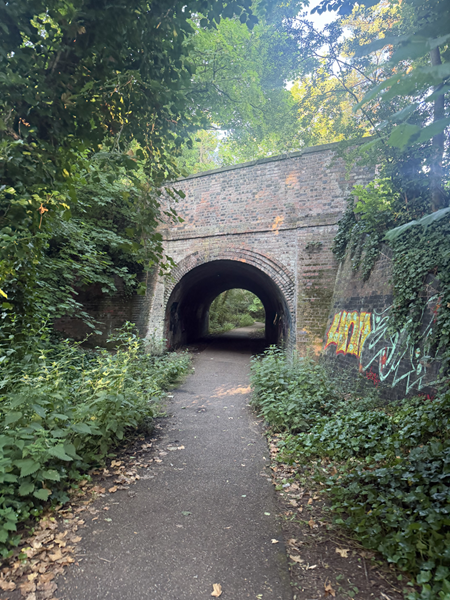
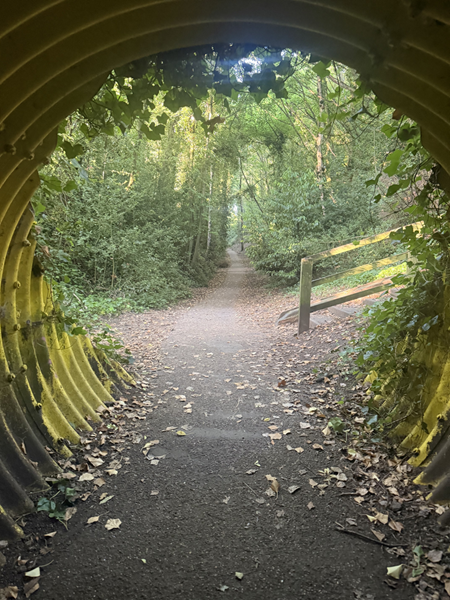
Coming off the Harborne Walkway to Park Hill Road once stood the Chad Valley toy works where a number of residents worked, such as Annie Greenwood of 7 Moor Pool Avenue who was employed as a stock keeper. Originally established as Johnson Brother printers, Chad Valley became one of Britain’s best known toy manufacturers.
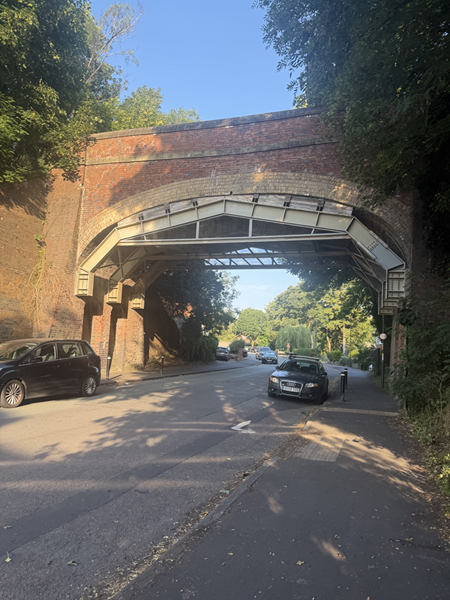
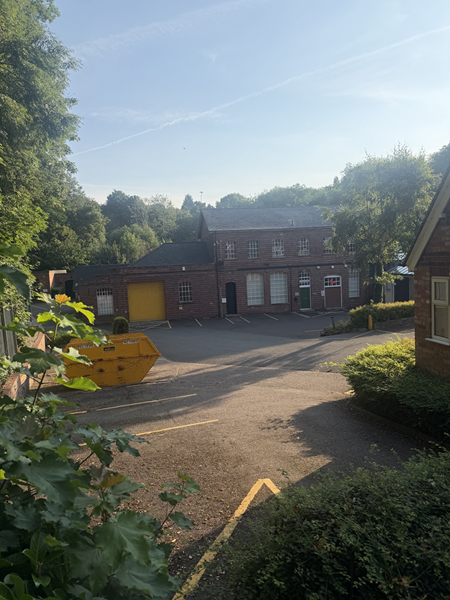
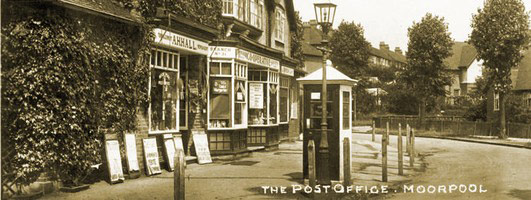
Heading towards The Circle via Moor Pool Avenue where a number of residents worked, the focus shifts away from Birmingham’s industries and towards local services, shops and community life. Many women still worked in domestic service in the houses on the Estate, including Emily Preday at 35 Moor Pool Avenue and Mary Harris at 104 Ravenhurst Road. Others worked close to home. Several secretaries employed at the Harborne Tenants’ Estate Office lived on the Estate, such as Gertrude Wills of 44 Carless Avenue, while the Hall’s Caretaker Miriam Otway occupied one of the earliest houses built at Moor Pool, at 82 Park Hill Road. The Circle shops in 1921 were run by those who also lived in the above premises. Sarah Birch lived at 25 and ran the grocers shop, whilst Arthur Hall next door ran the newsagents and also lived above.
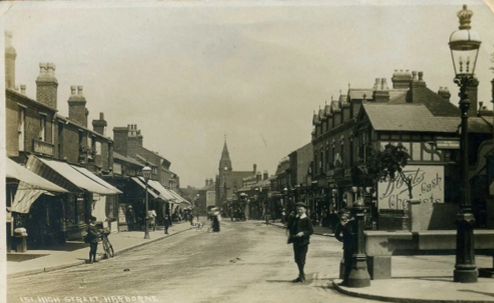
From Moor Pool I headed to Harborne High Street via Station Road where the school attended by many local children stands and where residents such as Ernest Calverley of 8 North Gate taught. The high street itself was also where a number of residents were employed, for example William Carr of 48 Carless Avenue worked at Boots Chemist at the timber-framed building which still stands today, and nearby at 171 High Street, George Baker of 15 Carless Avenue worked as a shoe and boot dealer.
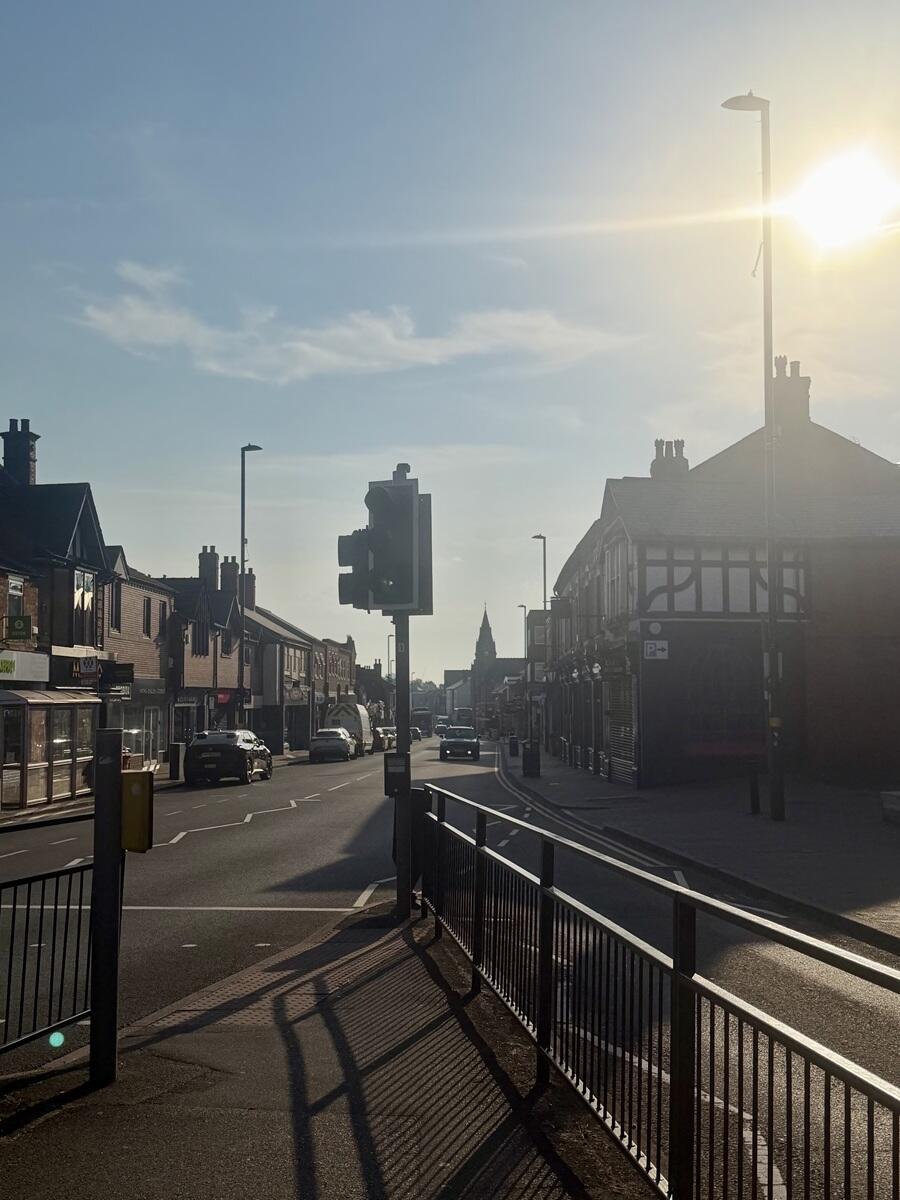
Leaving Harborne, the stretch down Harborne Road towards Selly Oak and then Bournville contains fewer workplaces directly linked with Moor Pool residents, but it reflects the daily journeys many made across Birmingham using a combination of walking, cycling, trams, railways and later buses to reach employment across the city.
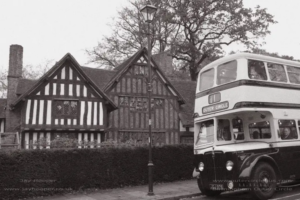
This is the route sisters Maggie and Louisa Swatkins of 7 Wentworth Gate would have taken on their way to Cadbury where they worked as chocolate makers.
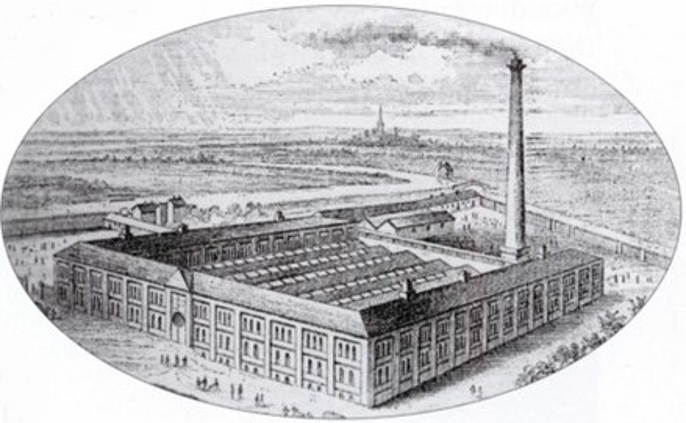
After passing through Bournville Green and the Cadbury factory, I joined the canal again but this time turning right on to Kings Norton passing the former Baldwin Paper Mill, where Frederick Harrison of 20 High Brow worked as an office manager. During the Second World War the mill produced paper bags and gun wadding, supporting the war effort.
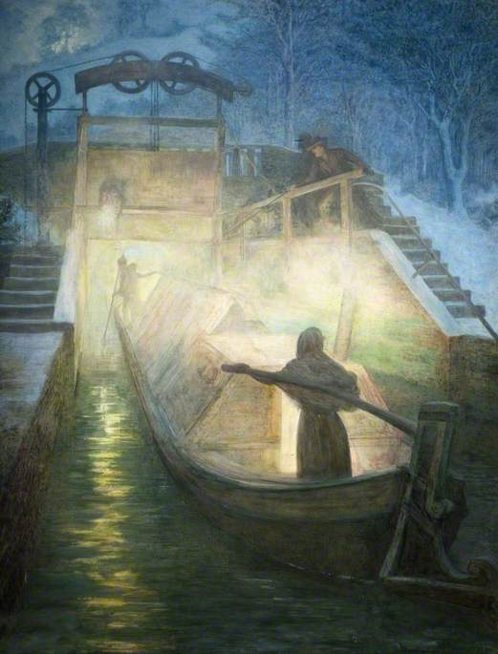
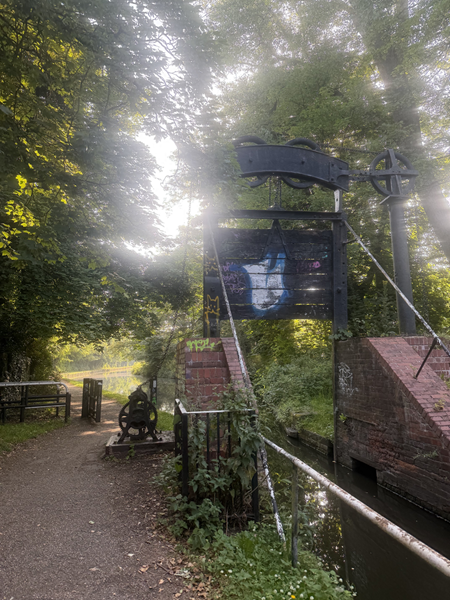
The last point before returning to Bournville Station was the Kings Norton Guillotine Lock, at the start of the Stratford-upon-Avon Canal. Well-known landscape artist Edward Steel Harper of 55 Moor Pool Avenue was an art teacher at the Birmingham School of Art, and painted this historic Grade II* listed lock. The painting is now part of the Birmingham Museum and Art Gallery collection. This same location represented as a place of industry and later a subject for art highlighted the range of skills represented among Moor Pool residents. From engineers and paper makers to teachers, shopkeepers and artists, it provided a reminder of the varied working lives represented within the Moor Pool community.
This route only scratches the surface. Continue south towards Longbridge and you would reach Austin Motors, one of the largest employers of Moor Pool residents, while countless other workplaces lay beyond the route I followed. By the time I ran back to Bournville Station, I was melting in the heat like but felt accomplished to have followed some of the routes that connected Moor Pool residents of the early twentieth century with their workplaces. Together these workplaces illustrate how the people of Moor Pool contributed to the industries, trades and professions that earned Birmingham its reputation as the “City of a Thousand Trades”.
If you feel like exploring the whole route or part of it you can find details of the full run route here: https://www.plotaroute.com/route/3358818?units=km
To discover more stories and see objects from the Everyday Working Lives project join us at this year’s Moor Pool Heritage Festival on Sunday 20th September!
You can support the run and those taking part in the Moor Pool 5k Summer Challenge by donating via our JustGiving page.
Moor Pool Hall
37 The Circle, Harborne,
Birmingham, B17 9DY
Registered Charity Number: 1148252

© 2026 All rights reserved | Website by Citrus Frog