Moor Pool and the Arts and Crafts Movement: Birmingham’s vision of a better way to live
Moor Pool and the Arts and Crafts Movement: Birmingham’s vision of a better way to live
Nestled quietly in the leafy heart of Harborne, the Moor Pool Estate stands as one of Birmingham’s most remarkable living testaments to the Arts and Crafts movement – a movement that reshaped not just design, but the very way people thought about community, craftsmanship and everyday life.
The Spirit of the Arts and Crafts Movement
The Arts and Crafts movement emerged in Britain in the late 19th century, at a time of rapid industrialisation. Factories were transforming cities like Birmingham into the “workshops of the world,” but this progress came at a cost: overcrowded housing, poor working conditions and the loss of traditional craftsmanship.
Artists and reformers such as William Morris, John Ruskin and Charles Voysey championed a return to beauty, simplicity and honesty in design. They believed that the objects and buildings surrounding people should be both useful and beautiful – crafted by skilled hands, using local materials and inspired by nature. Their ideas spread far beyond art and furniture, inspiring a new vision of how communities themselves could be designed.
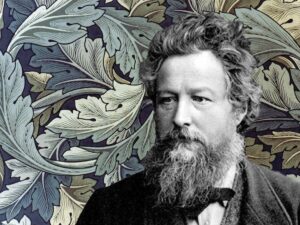
William Morris
Birmingham: The Workshop of the Arts and Crafts Ideal
While London may have provided the philosophical roots of the Arts and Crafts movement, Birmingham was its beating heart. The city’s unique combination of industrial prowess and creative energy made it a fertile ground for new social and design ideas.
Birmingham’s metalworkers, printers and artisans embodied the movement’s emphasis on craftsmanship. The city was also home to the Birmingham School of Art, the first municipal art school in the country, which became a hub for the Arts and Crafts ethos under the guidance of figures like Edward R. Taylor and William Lethaby. Their influence can still be felt today in the city’s architecture, design and sense of civic pride.
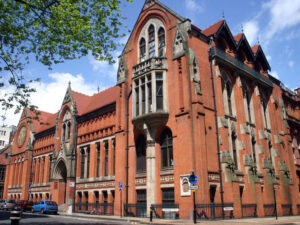
Birmingham School of Art
Moor Pool: A Living Arts and Crafts Community
Founded in 1907 by John Sutton Nettlefold, the Moor Pool Estate was conceived as part of the Garden Suburb movement, itself deeply intertwined with Arts and Crafts ideals. Nettlefold, a Birmingham city councillor and philanthropist, sought to create healthier, more humane living conditions for working families – a stark contrast to the cramped industrial housing elsewhere in the city.
“It is fortunately becoming more and more recognised every day that open spaces are necessary to the health of the town, as streets are to its traffic.”
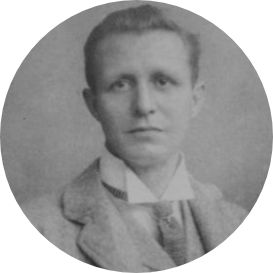
John Sutton Nettlefold
1908
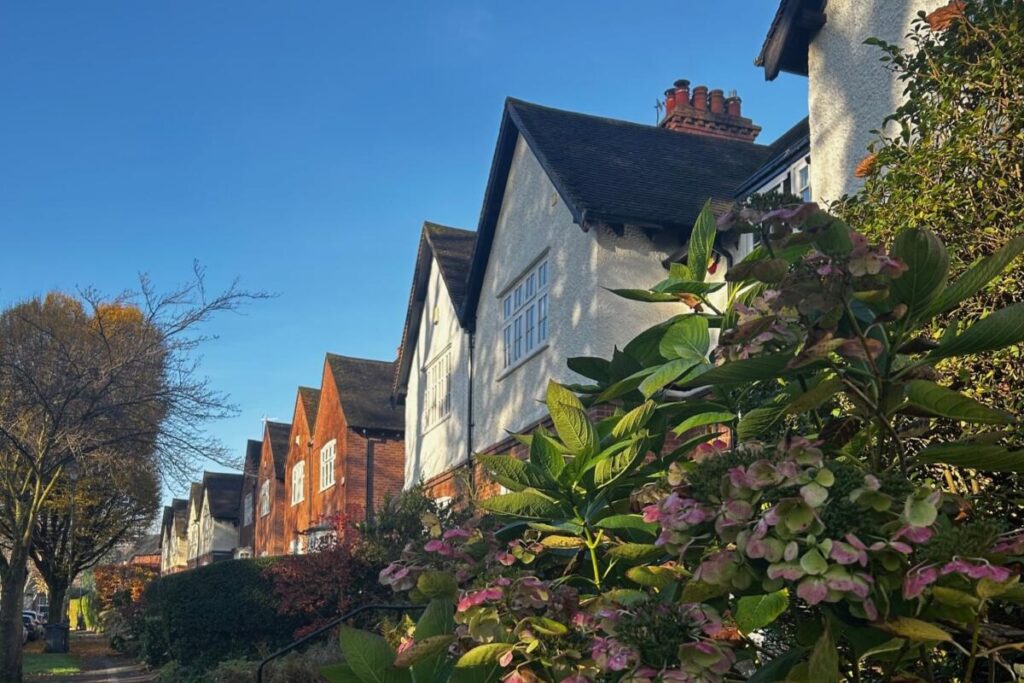
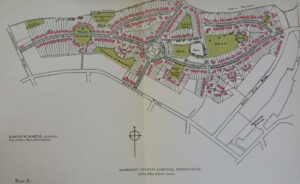
Designed by architect William Martin and his son Ernest, Moor Pool embodied the principles of both Arts and Crafts design and social reform. The Estate’s curving roads, generous green spaces and distinctive houses were carefully planned to blend with the natural landscape, fostering a sense of harmony and community.
Every detail reflected Arts and Crafts values:
Houses built with traditional materials and individual character, rather than uniform terraces.
Shared amenities like Moor Pool Hall, the skittle alley and allotments, encouraging social interaction and recreation.
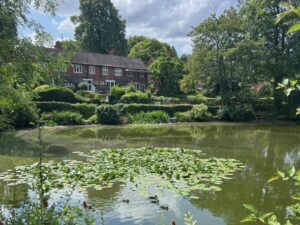
Tree-lined avenues and green spaces, providing beauty and calm within reach of the bustling city.
Moor Pool wasn’t just an architectural experiment – it was a statement about how people could live better, together.
Estate Plan
Preserving the Past, Inspiring the Future
Today, Moor Pool Heritage Trust continues Nettlefold’s vision by safeguarding this extraordinary estate for future generations. The Trust’s work in restoring buildings, protecting green spaces and fostering community life ensures that Moor Pool remains not a museum piece, but a living example of Arts and Crafts principles in action.
In a world once again wrestling with questions of sustainability, craftsmanship and community, Moor Pool offers an inspiring model from the past – one that feels remarkably relevant today. It reminds us that beauty, utility and social good can and should coexist in the places we call home.