Birds of Moor Pool

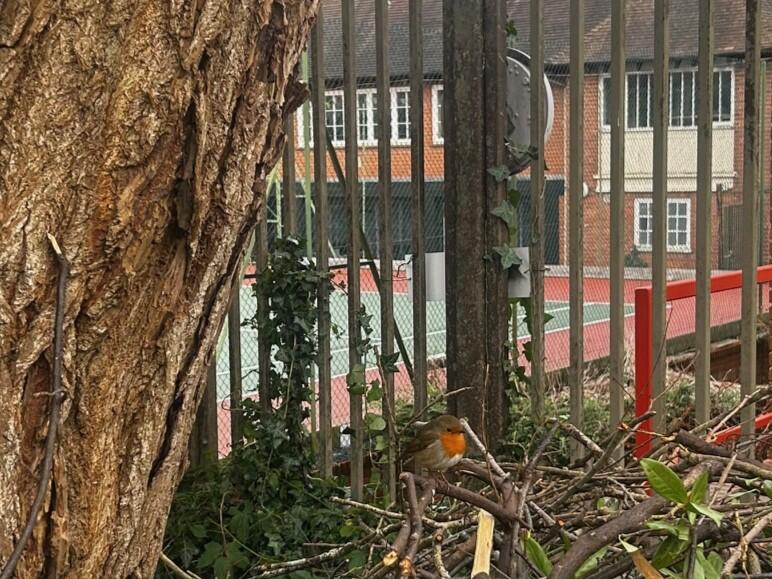
A robin sat on a branch

Nestled in the leafy streets of Harborne, the historic garden suburb of Moor Pool offers more than charming Arts & Crafts houses and hidden pathways — it supports a bustling community of garden and wild birds, making it a perfect spot to take part in the RSPB’s Big Garden Birdwatch (23rd-25th January).

Why Moor Pool is so special for birds

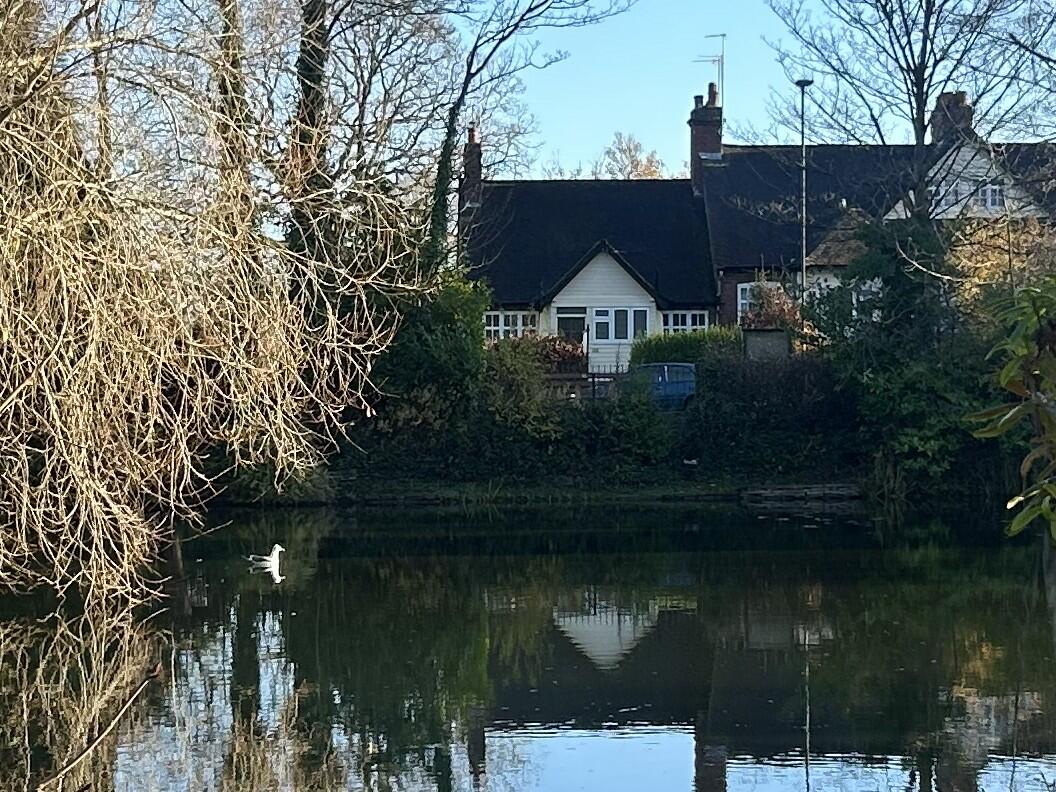
  • Green spaces and water: Moor Pool was designed with generous green spaces, lawns and hedges centered around the Pool – all ideal for birds needing water, shelter and feeding grounds. 
  • Garden Suburb layout: The low-density housing, gardens, established trees and wildlife-friendly boundaries in Moor Pool echo a semi-rural environment in the heart of the city, giving birds space to forage, nest and hide.
  • Community cooperation: Because Moor Pool remains intact and cared for (thanks to its conservation status and the work of Moor Pool Heritage Trust), many gardens, paths and green areas remain accessible – good news for birds and birdwatchers alike.

Bird populations have fallen dramatically since the 1970s. Gardens and small urban green spaces, like those in Moor Pool, are more important than ever as refuges for birds.

Avian residents of Moor Pool and what you might spot

When you head out for the Big Garden Birdwatch at Moor Pool, these are species you’re most likely to see, many of which are among the nation’s most common garden birds.

Some garden favourites frequently spotted around Moor Pool:
  • House Sparrow – often seen in groups, perched on roofs, guttering or shrubs. Males have a grey cap and black bib; females are subtler in colour.
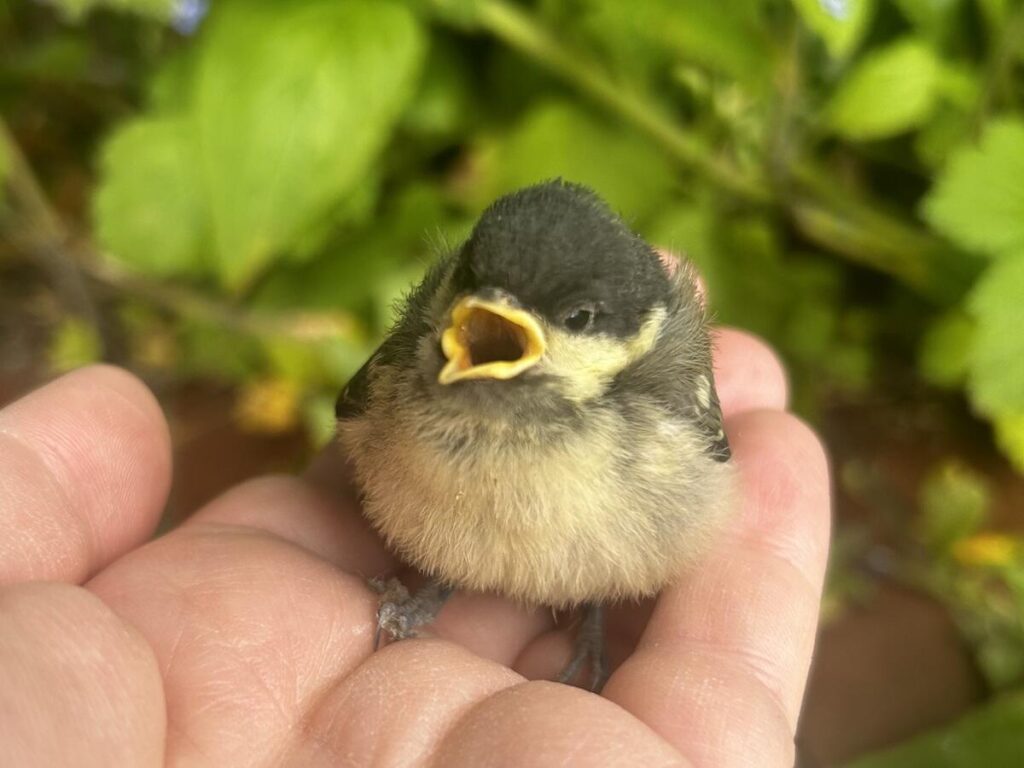
  • Blue Tit – bright and acrobatic, often visiting feeders; easy to spot with its blue and yellow plumage.
  • Wood Pigeon – large and grey, often heard cooing or seen flying overhead; common in suburban gardens and open green spaces.
  • Blackbird – males are black with a yellow bill; females more brown. They forage on the ground and sing frequently, especially at dawn and dusk.
  • Robin – one of Britain’s most beloved birds. Upright posture, red-orange breast, and often curious, sometimes coming close to inspect humans putting out food.
And more you might be lucky to see:
  • Great Tit and closely related species like Coal Tit or Long‑tailed Tit – these tit species are agile, often visiting feeders or dense shrubbery.

  • Finches (e.g., Goldfinch, Chaffinch, maybe even Greenfinch) – if you put out seeds or let seedheads stand, finches may drop by.

  • Magpie – bold black-and-white birds with noisy calls and long tails; often seen scavenging or perched atop structures.

Because Moor Pool combines gardens, green corridors, hedges, mature trees and the Pool, it’s not impossible that, with a bit of luck, you might also glimpse less common or more shy species, such as the Heron on the Pool or a Woodpecker on the Spinney.
How you can help Moor Pool birds

These simple steps can make a big difference for birds who call Moor Pool home.

  • Provide food, water and shelter: Put out feeders with sunflower hearts, seeds, suet or peanuts; place a shallow bird-bath or tray of clean water; leave some shrubs, hedges or wildlife-friendly planting for cover.
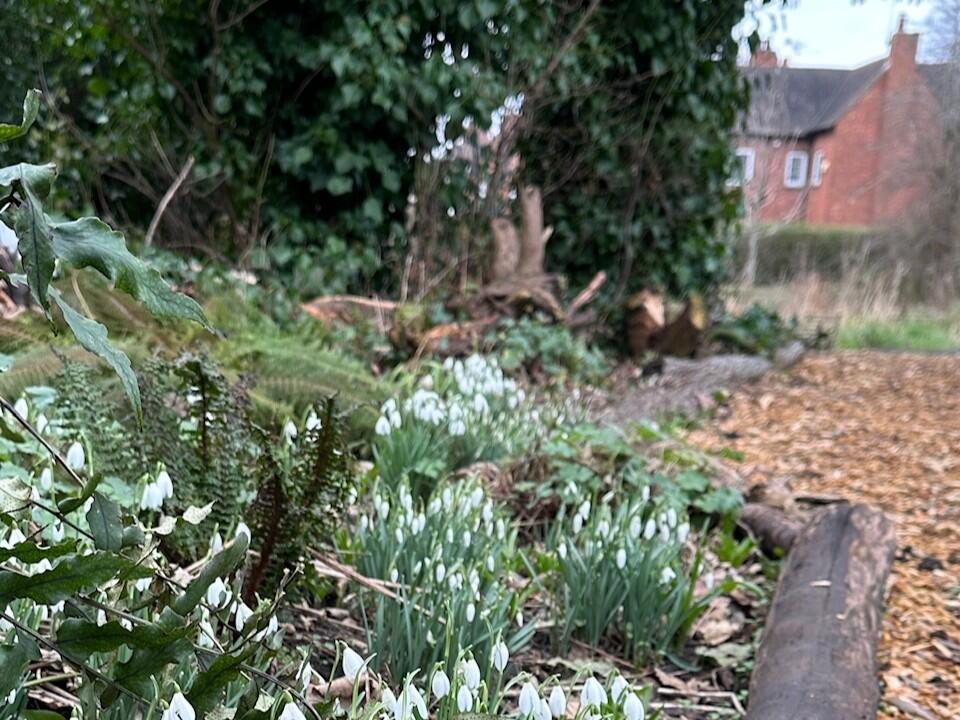
  • Let parts of your garden go wild: Leave seedheads, don’t over-tidy hedges and shrubs (especially during bird-nesting season), and preserve natural groundcover. Moor Pool’s original design actually supports this – many gardens and green spaces still have natural boundaries and plantings.
  • Take part in the Big Garden Birdwatch: Spend one hour in your garden or one of our green spaces, count the maximum number of each species you see at any time, and submit your sightings on the RSPB website. It’s a small effort but when many people take part, it helps scientists track how garden birds are doing over time.
  • Spread the word: encouraging neighbours to feed birds responsibly and leave green space could turn lots of individual gardens into a network of safe habitat patches.

By participating in bird-watching and feeding efforts, Moor Pool residents and visitors can play a small but meaningful role in conserving garden bird diversity and preserve a living connection to nature in the heart of the city.