At the start of this year, we were delighted to received funding from the Pigrim Trust to carry out an audit of Moor Pool’s Collection. This important project gave us the opportunity to take a closer look at how our historic items are stored and cared for, helping ensure they are preserved for future generations.
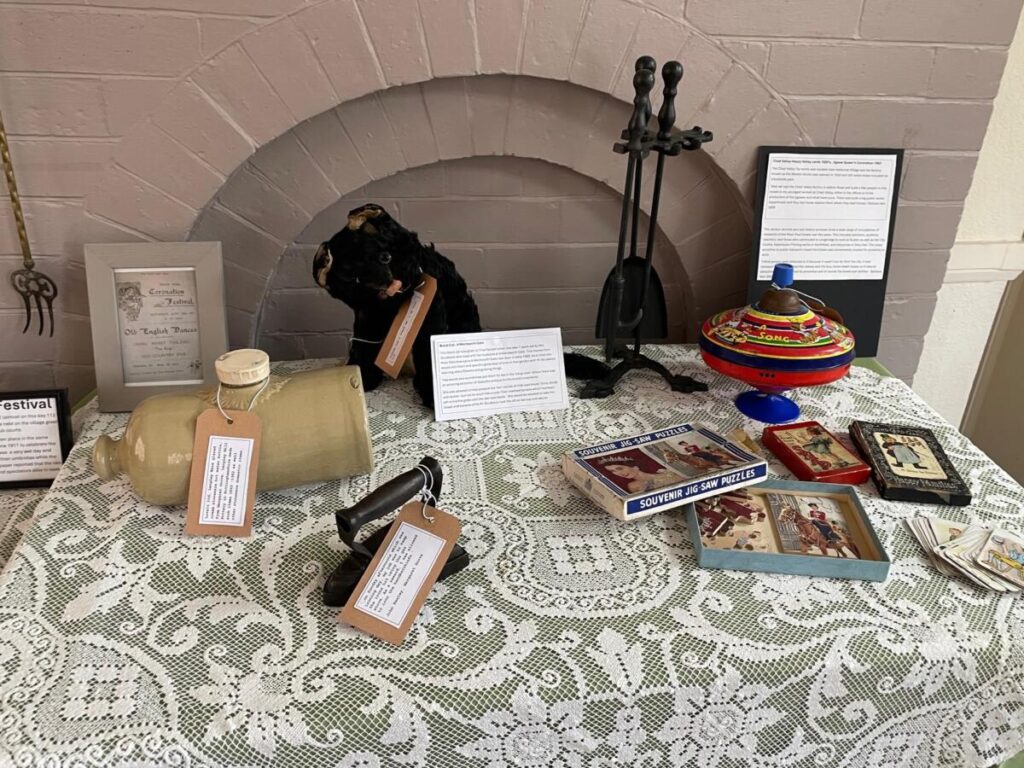
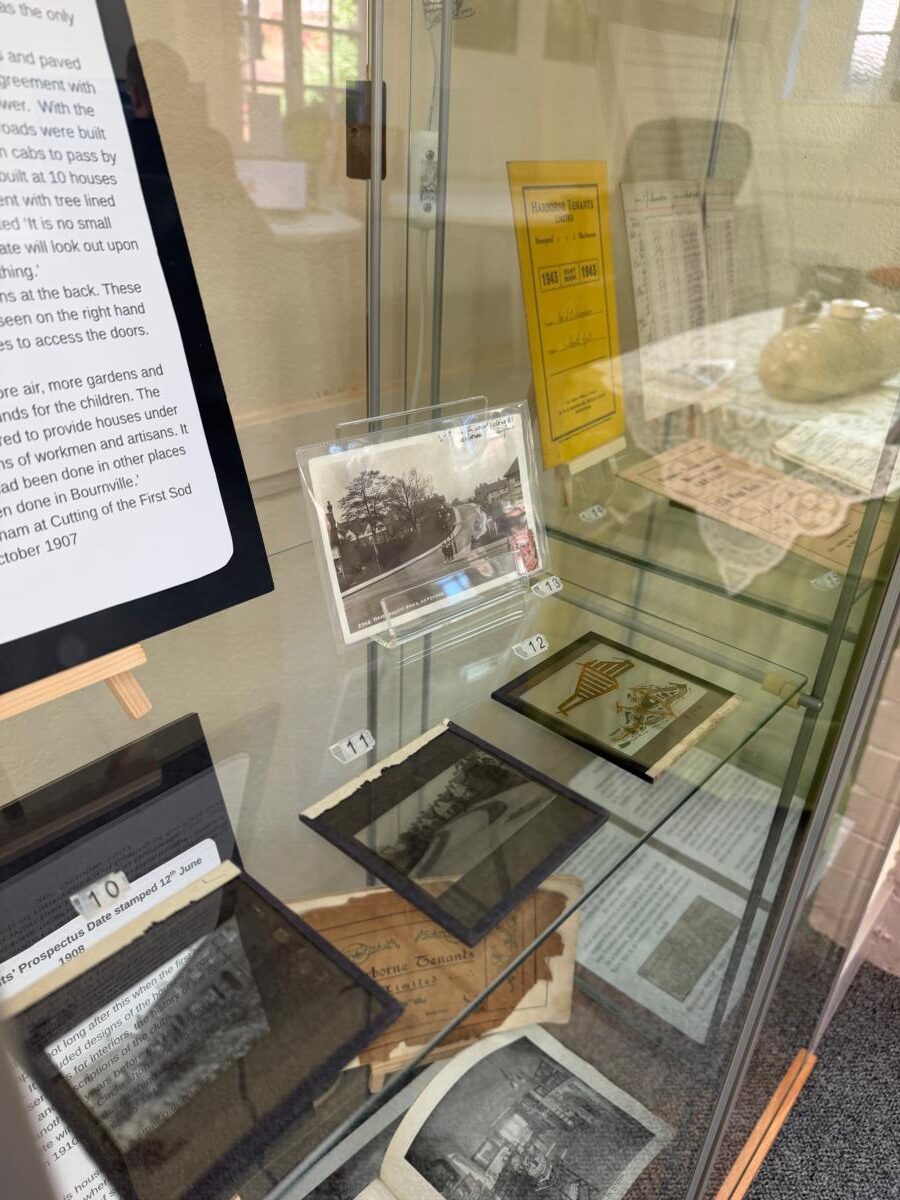
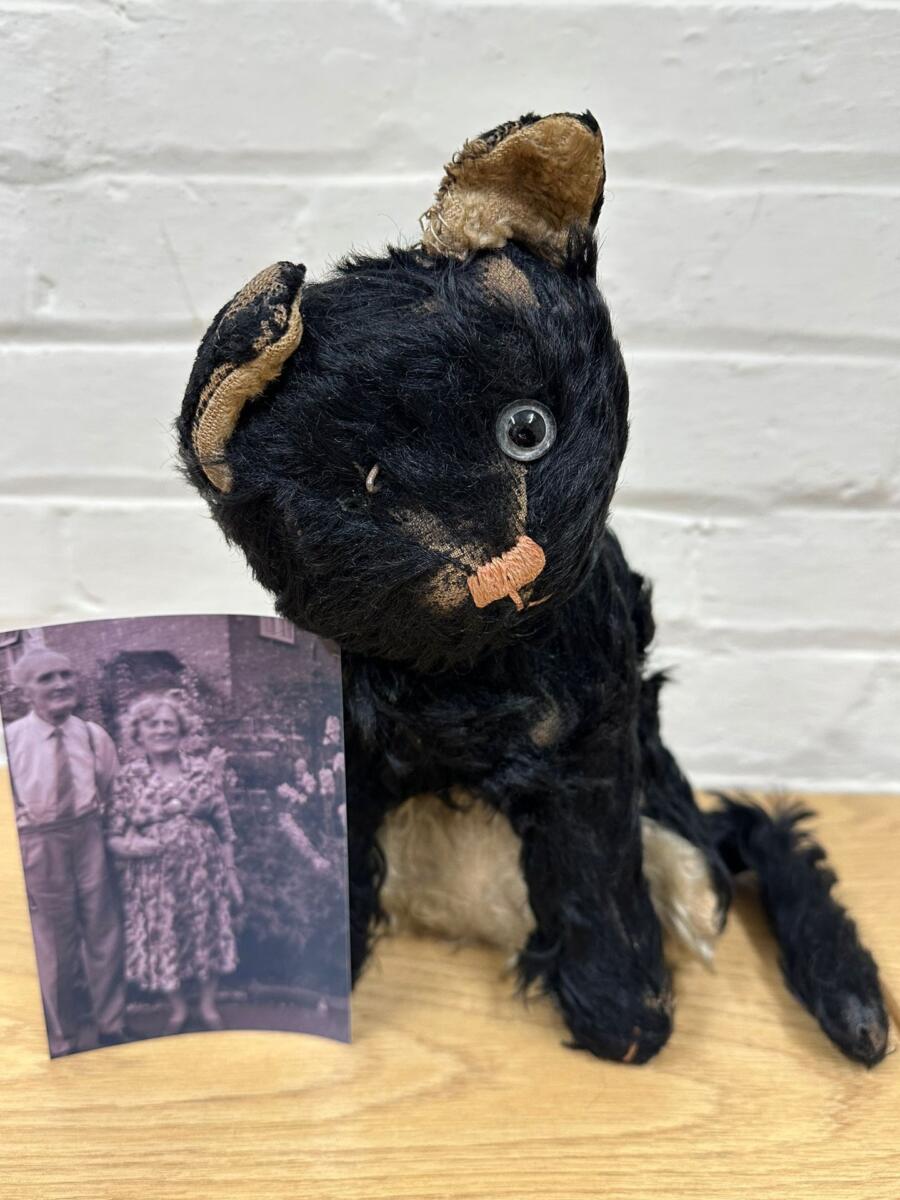
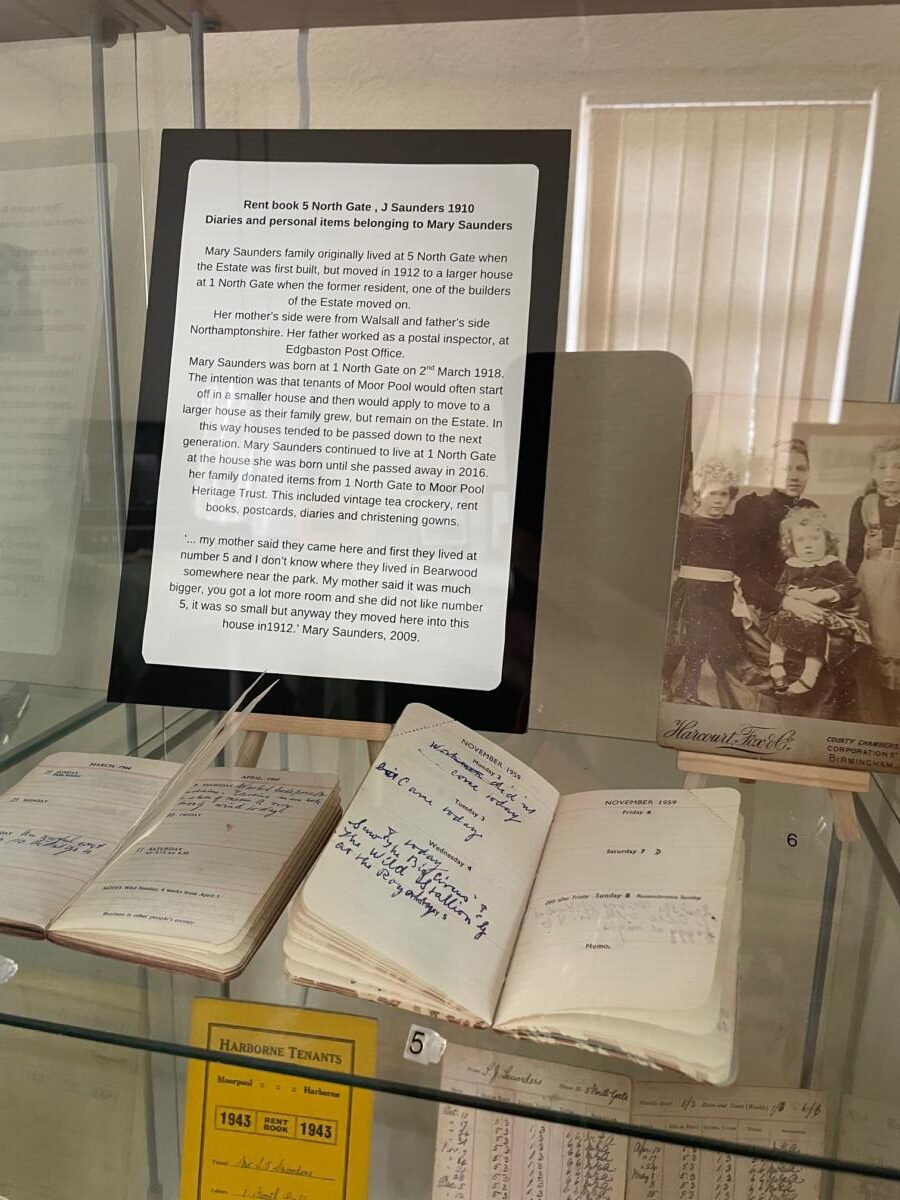
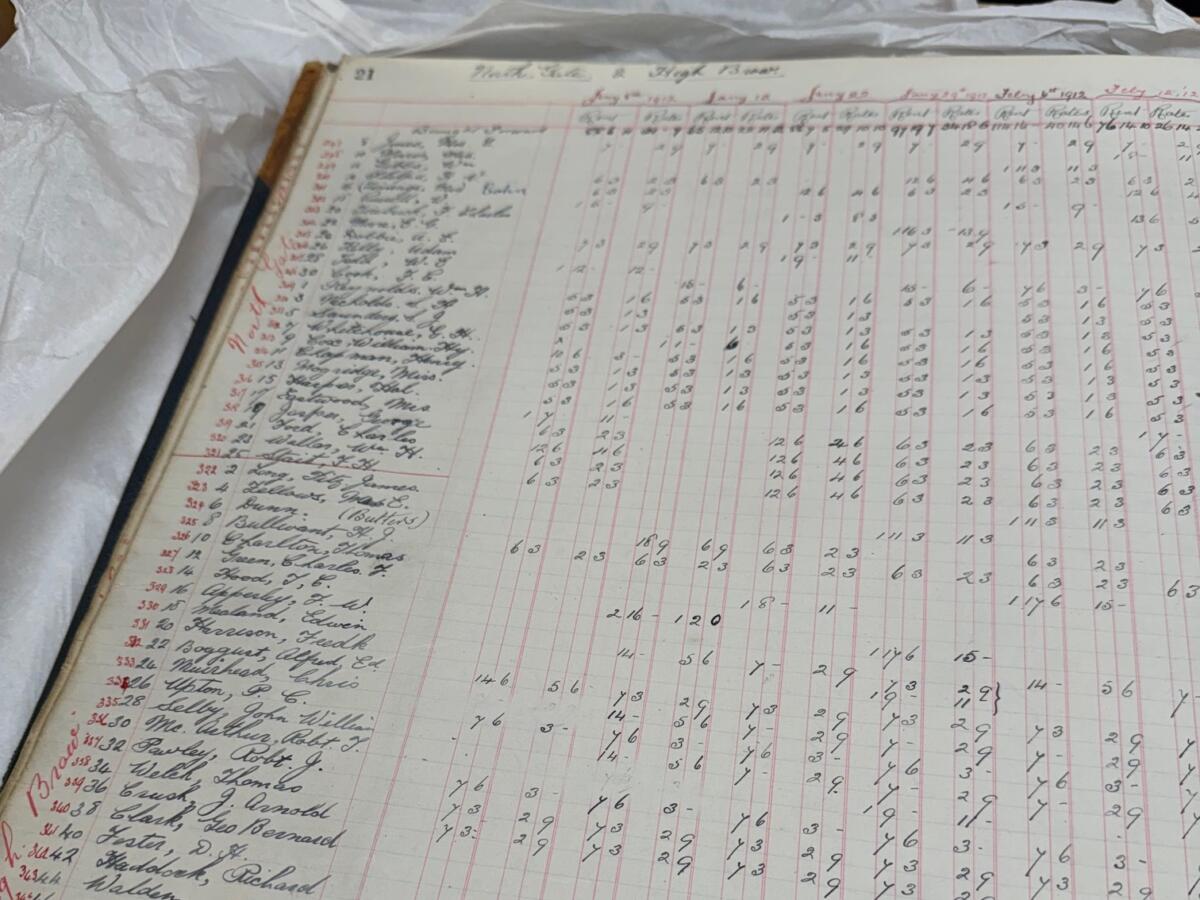
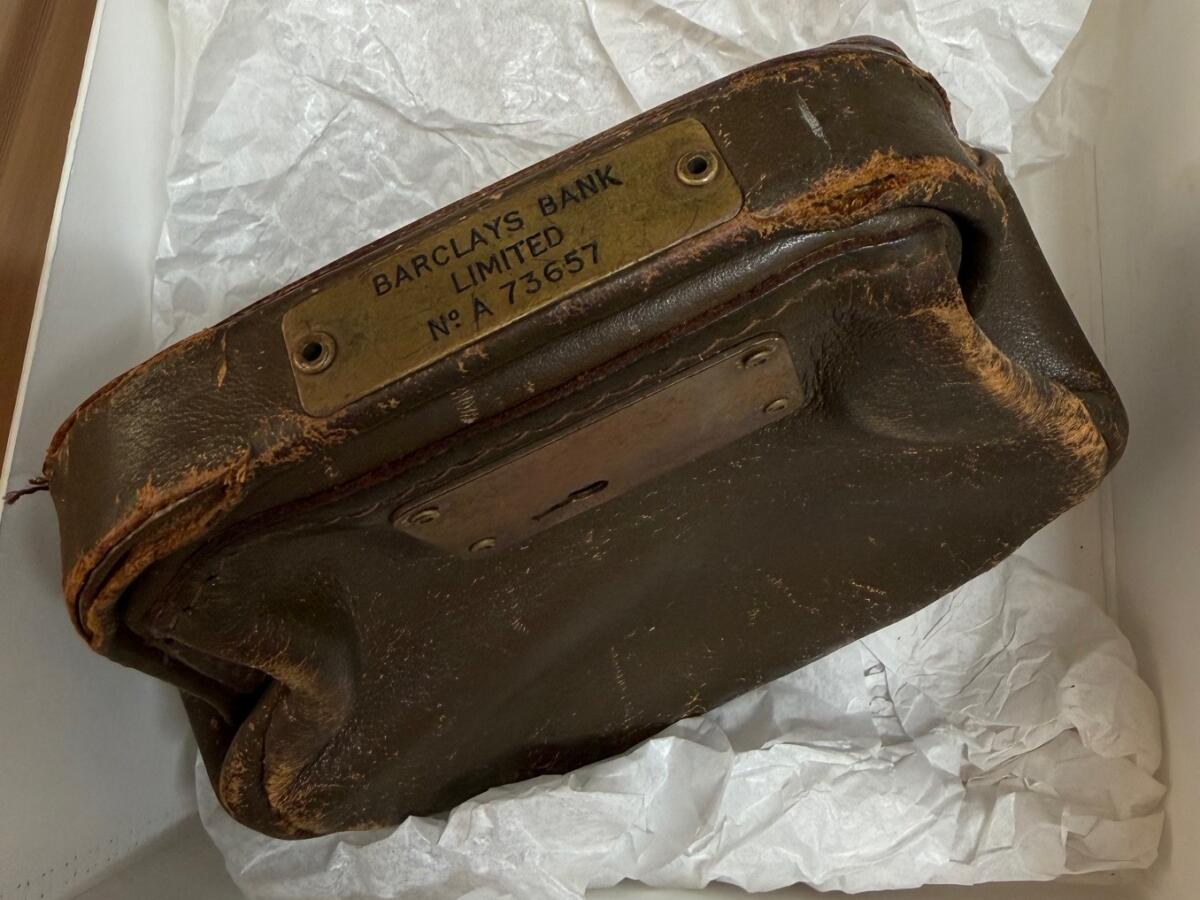
Our growing collection includes over 300 items linked to Moor Pool’s history, from historic paperwork and ledgers to personal artefacts and belongings all offering a fascinating glimpse into the lives and stories that have shaped the Estate. Over the past few years we have received an increasing number of donations that are significant in telling the story of Moor Pool’s residents through time, and provide insight into the social and community life of the Estate.
Beyond the immediate improvements, the audit marks an important first step forward in strengthening our overall approach to collection care. It reinforces preventative conservation practices and will help us safeguard these valuable items for the future.
Looking ahead, the audit will also support our long term ambitions for the collection. Eventually we hope to digitise the collection so it can be accessed online. We are also building skills in collections care, particularly sharing knowledge with our volunteers and placement students.
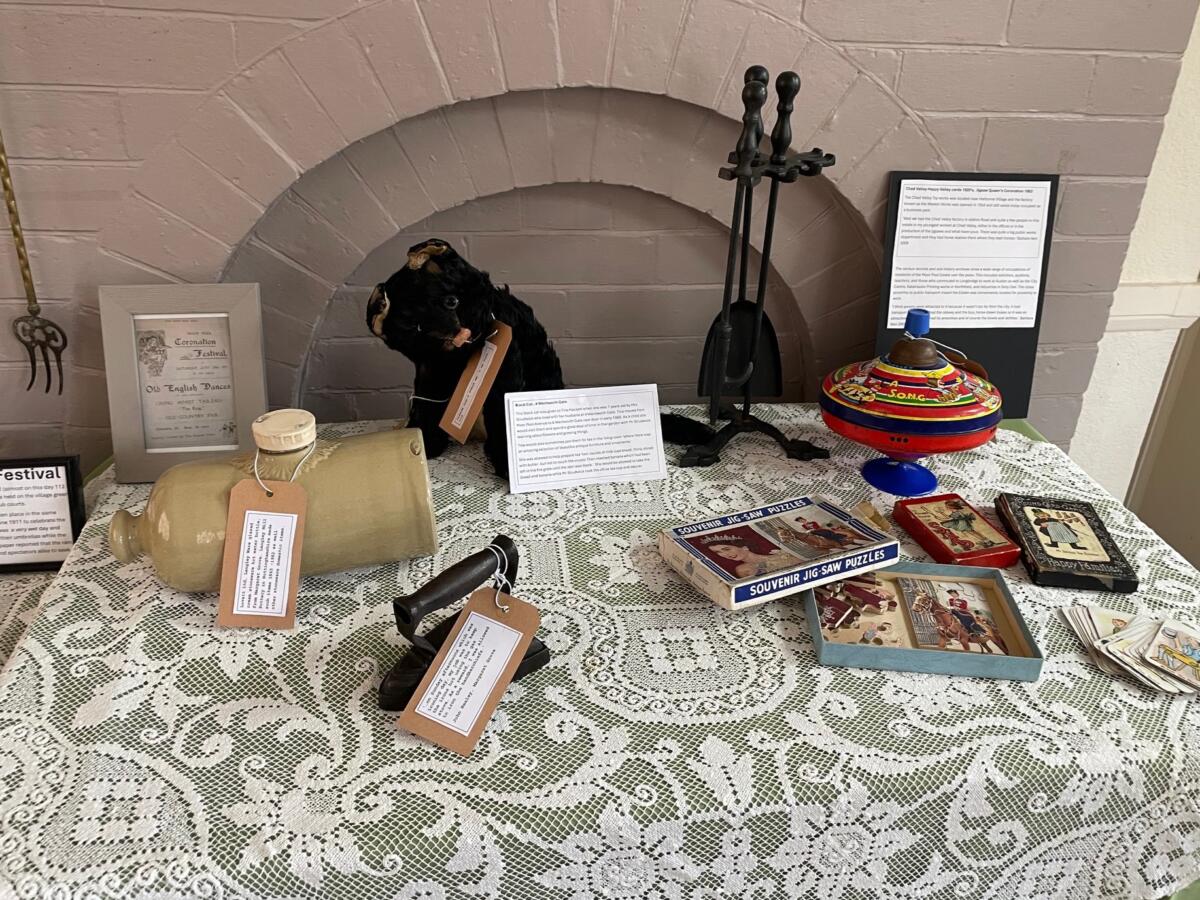
This work will contribute to our current Everyday Working Lives project which explores the past working lives of the Estate’s residents and will feature at the Moor Pool Heritage Festival with items on display and the stories they tell. By improving how we care and access our collection, we are better equipped to research and share these untold stories, and display related artefacts.
Overall, the audit has laid a positive starting point for the future care, interpretation and accessibility to the collection. The next step will be to apply for further funding to continue to improve storage and environmental monitoring, ensuring the important items of Moor Pool’s history and donations are preserved and accessible for years to come.